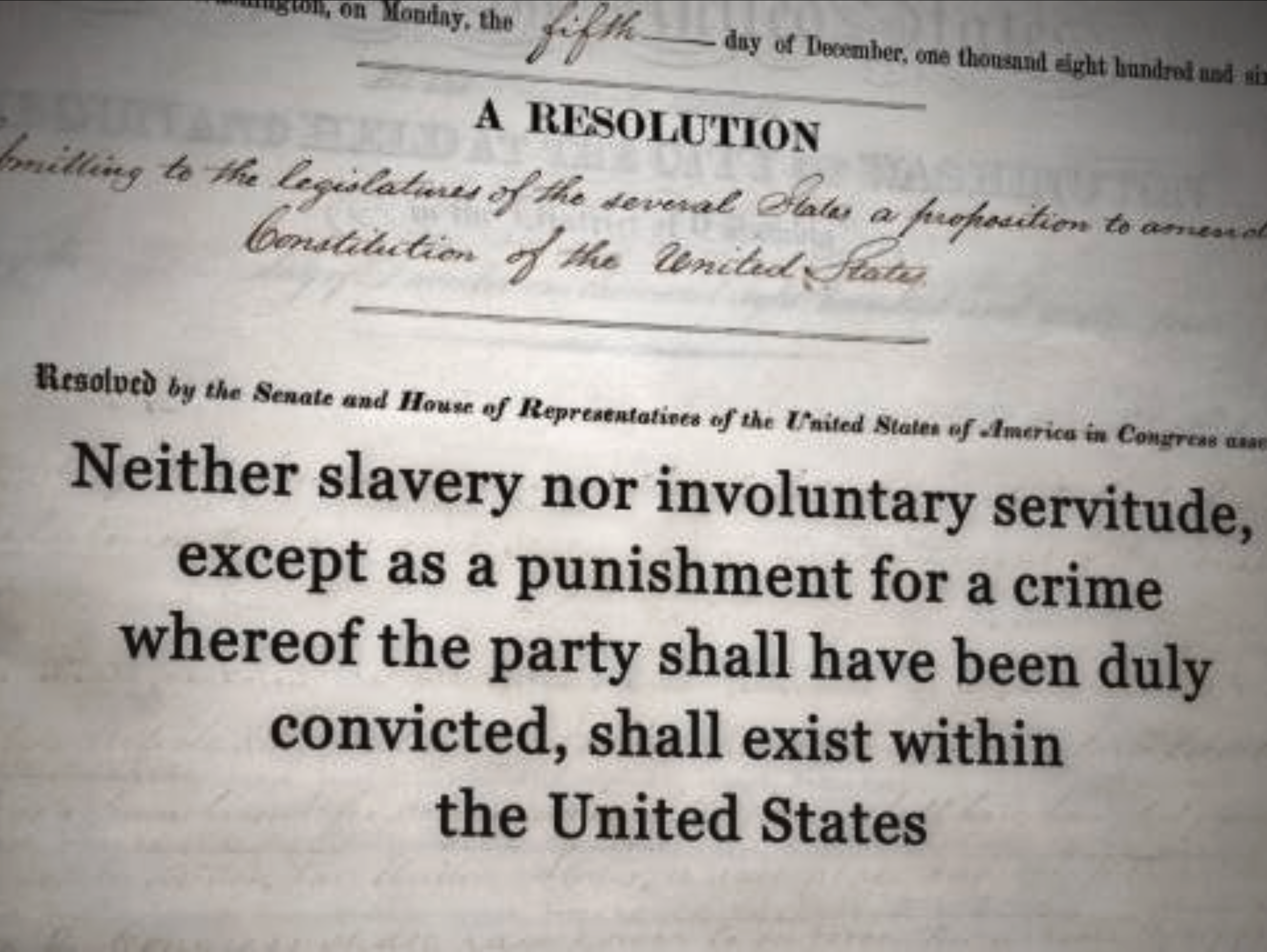
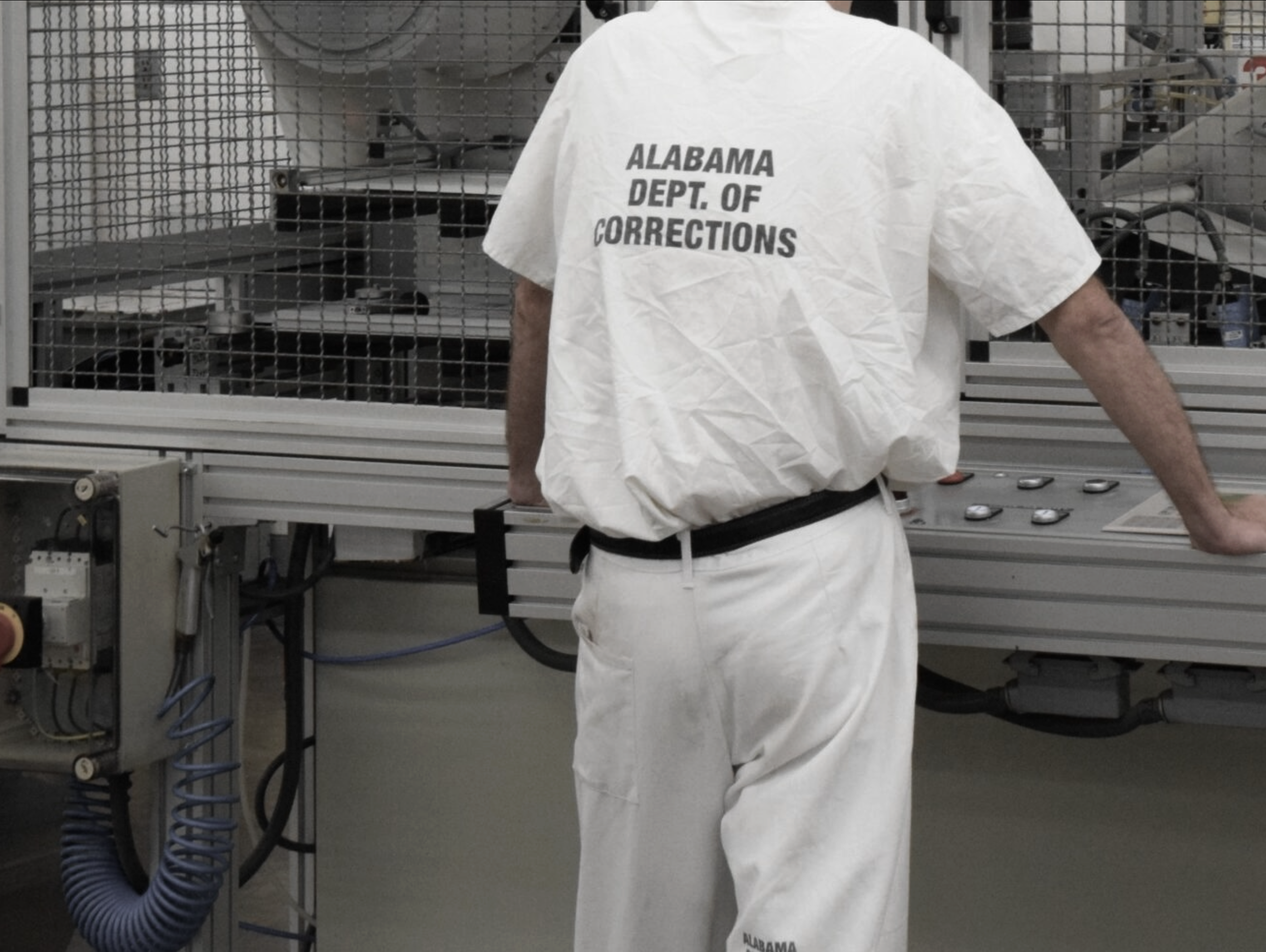
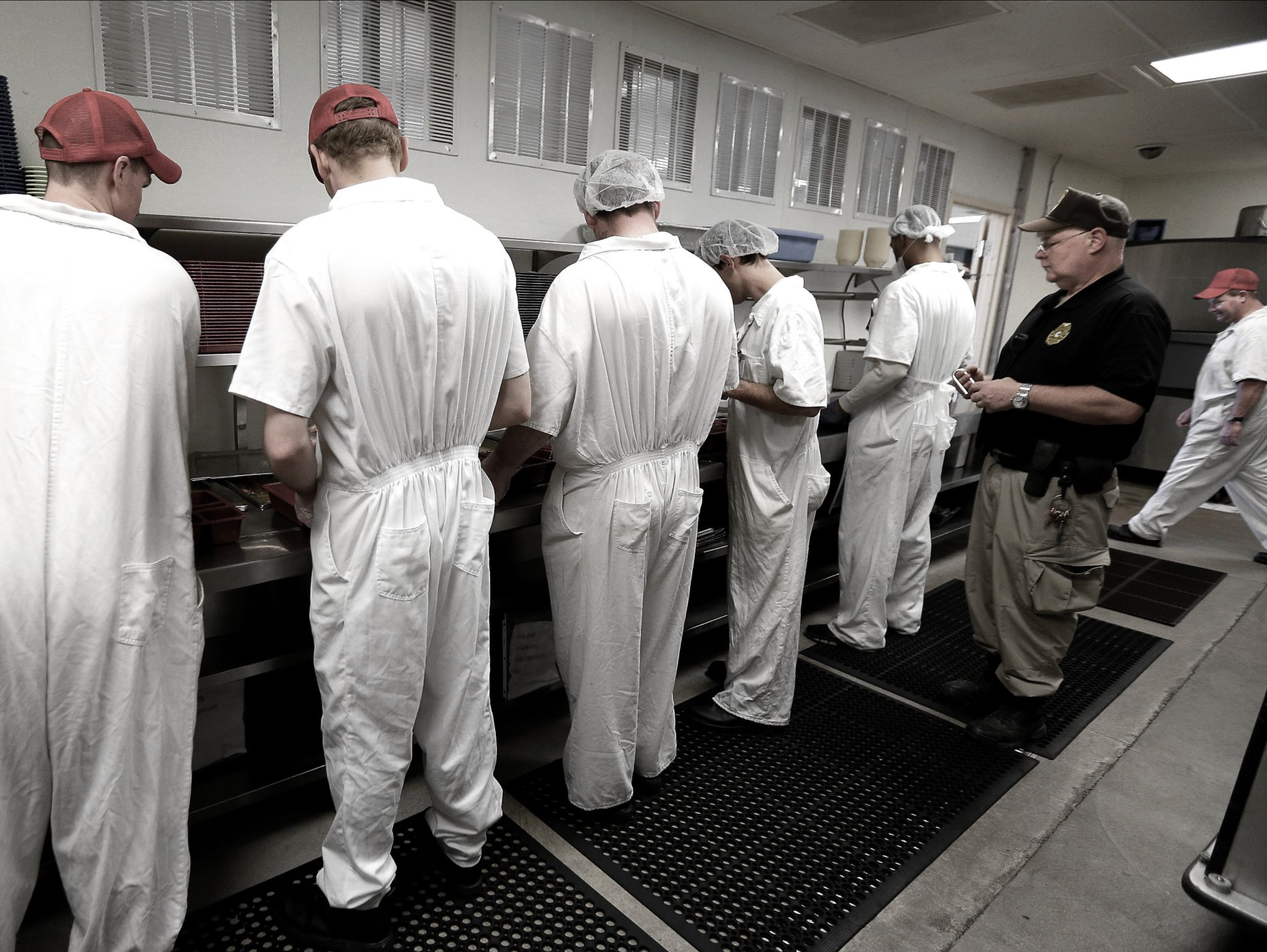
The 13th Amendment, ratified in 1865, officially abolished slavery and involuntary servitude in the United States, but it included a crucial loophole: slavery was still permitted “except as a punishment for crime whereof the party shall have been duly convicted.” This clause was exploited almost immediately after the Civil War, particularly in Southern states, through the implementation of Black Codes—laws that criminalized trivial or ambiguous behaviors such as loitering, vagrancy, or failure to sign labor contracts. These laws allowed authorities to arrest large numbers of newly freed Black people and lease them to private companies, plantations, and state projects for labor, a practice known as convict leasing, which essentially perpetuated slavery under another name. Over the 20th and 21st centuries, this exception has been a structural foundation for the prison-industrial complex, where incarceration generates significant economic benefit for private corporations and government entities. Today, millions of incarcerated individuals perform labor in prisons — producing goods, maintaining facilities, and even working for private companies — often for extremely low wages, sometimes just pennies per hour. Scholars and activists argue that this system disproportionately targets communities of color through discriminatory policing, mandatory minimum sentences, and harsh drug laws, effectively creating a modern form of forced labor under the guise of criminal justice. By embedding economic incentives within the penal system, the 13th Amendment’s “except” clause transformed the legal abolition of slavery into a mechanism that sustains mass incarceration, racial inequities, and systemic exploitation, making it a cornerstone of the contemporary debate over prison reform and abolition.